Fun Posts uncategorized

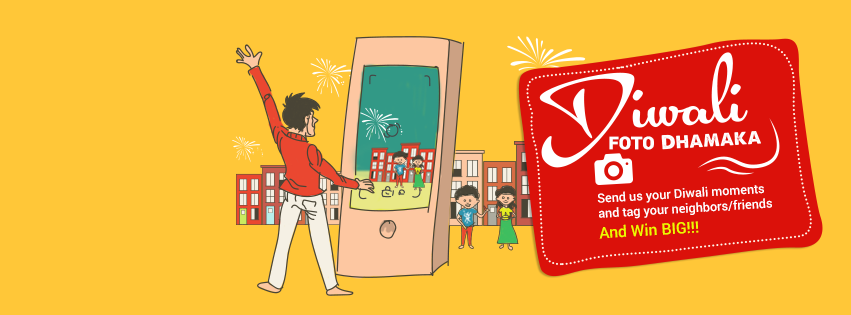
Diwali Foto Dhamaka!!

FB-CoverAre you all set for some photo Dhamaka this Diwali??

Log onto our Facebook page and upload some of your dhamakedar celebration pics to win funky goodies and special gift vouchers!

Make sure to tag as many of your family, friends and neighbours as you can!€

Decision will be based on quality of the picture, relevance of the picture and maximum ‘likes’  &  ‘tags’.

** Final decision will be made at the discretion of CommonFloor Groups Management Team

Qualifying factor: ‘Like’ our page.

Contest Duration: 22nd to 30th October

Prizes: Funky merchandise and gift vouchers.

Happy Clicking!!

Read More
Smart Residential Living uncategorized

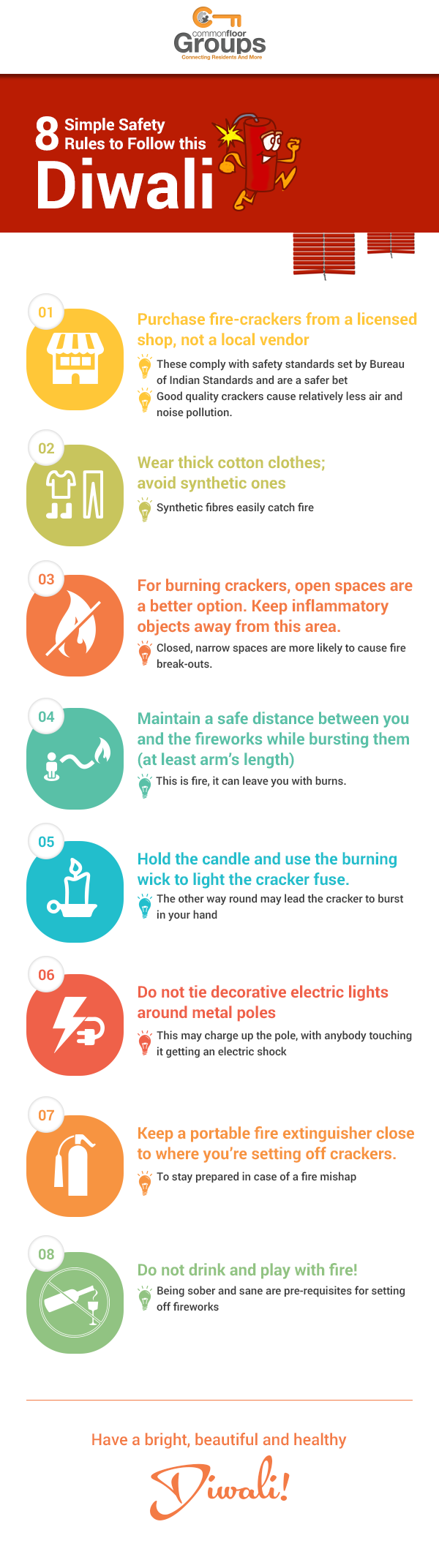
Easy & Simple Rules to Keep Safe this Diwali

The ‘Festival of Lights’ may be the most magnificently celebrated festival in the country, but at the same time it’s also one of the most dangerous ones. Firecrackers/fireworks can have damaging consequences and so, one must be very careful while handling them.

Following some basic safety steps can ensure that you have a happy and, more importantly, safe Diwali.Diwali-3


Read More
Fun Posts uncategorized

9 Festivals you can Grandly Celebrate in your Apartment Complex


9-Festivals-- (1)

Our country is a melting pot of different traditions, with its people hailing from varied cultural and religious backgrounds. This concoction of cultures means the following of several customs and celebration of many festivals. Among the countless festivals observed, below is our pick of the 9 festivals you can celebrate impressively in your apartment complex. And with CommonFloor Groups planning such an event has become easier than ever before.

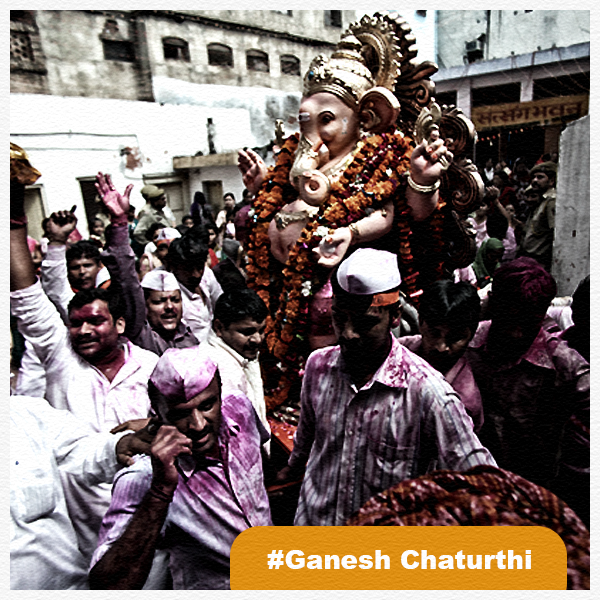
1. Ganesh Chaturthi (August-Septermber) - The birthday of the elephant-headed son of Goddess Parvati and Lord Shiva, Lord Ganesh, is celebrated for a stretch of 11 days. It would certainly be apt to distribute Modak, believed to be Ganesha’s favourite sweet, among your neighbours on this occasion.

Ganesh-Chaturthi

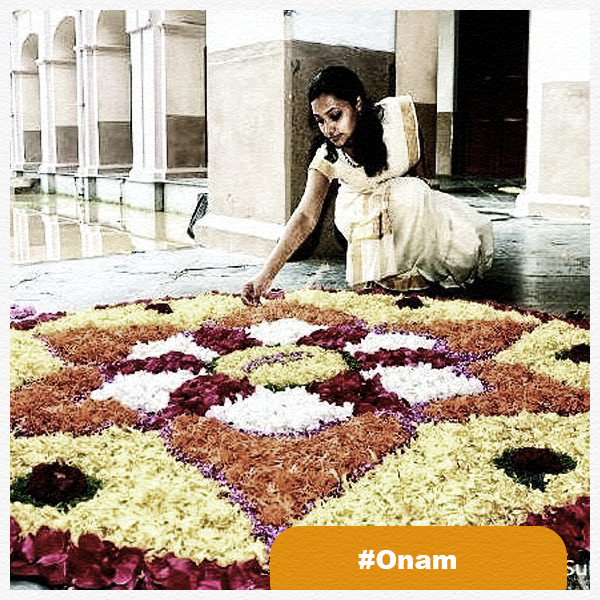
 2. Onam (August-September) – It is believed that the mythical King Mahabali visits his kingdom during these 10 days of the Kerala harvest festival. This is celebrated with traditional clothes, an array of traditional dishes, feasts served on banana leaves, sports, snake-boat races, dance performances and the customary Pookalam rangoli. Organize the special Onam feast, Onasadya, and plan out some fun games for your neighbours to participate.

Onam

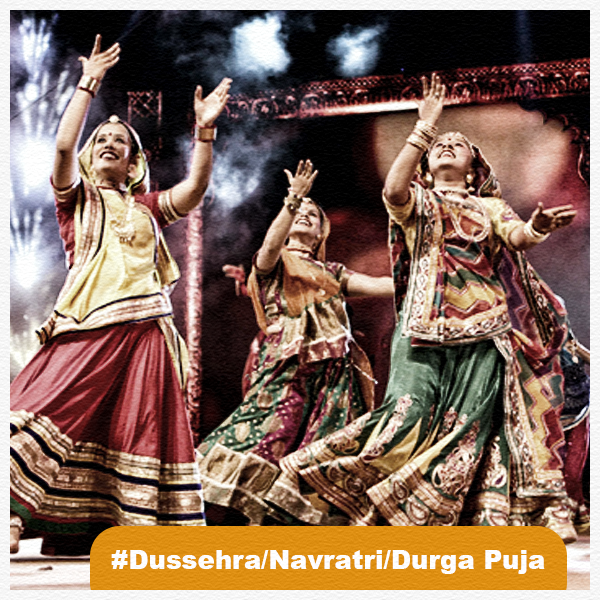
3. Dussehra/ Navratri/Durga Puja (September-October) – This splendid celebration is symbolic of the victory of good over evil. People take part in the auspicious carnival and exchange gifts and sweets. This festival calls for the ceremonial worship of the nine avatars of Goddess Durga in your apartment complex and, of course, the fun-filled Dandiya Nights (when the energetic and fast-paced Garba dance is performed) in the community hall.

Dussehra

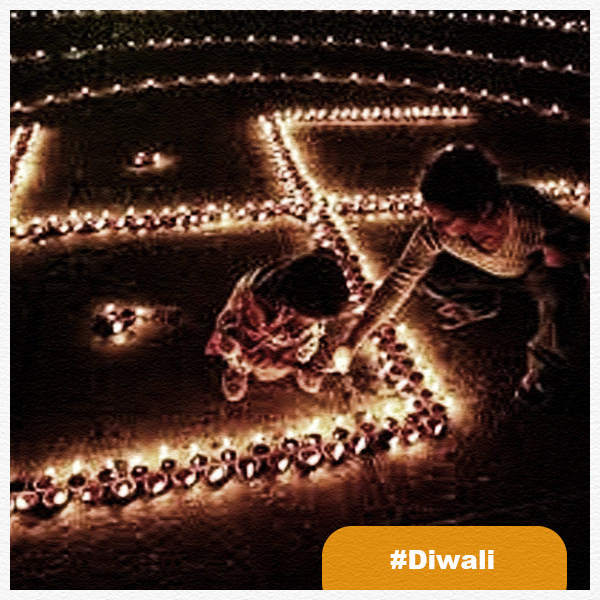
4. Diwali (October-November) – This five day ‘Festival of Lights’ marks the beginning of the Hindu New Year and the return of Rama, his wife Sita and his brother, Lakshmana to Ayodhya after a 14 year exile. Deck up the entire community area with lit ‘diyas’, symbolic of the triumph of light over darkness. Planning a fancy Diwali party and bursting fire-crackers with your neighbours and distributing assorted sweets among them are all must-dos on this occasion.

Diwali

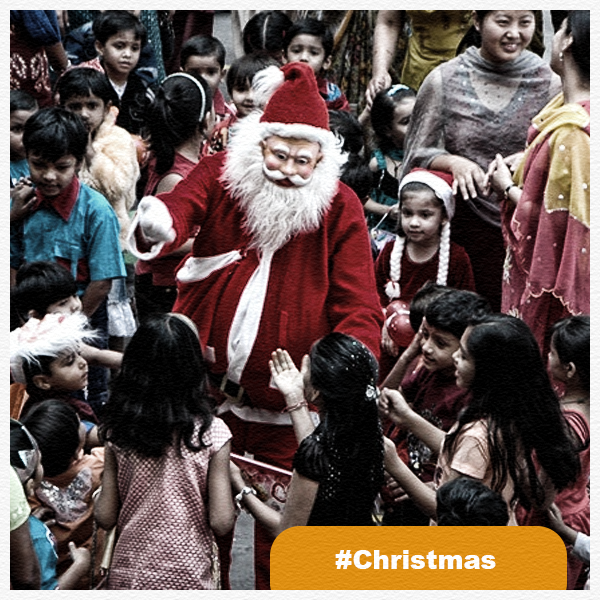
5. Christmas (25th December) – In India, Christians and people from other communities celebrate the birth of Jesus Christ on 25th December every year. Christmas carols, exchange of gifts and family reunions are common on Christmas Day. Light up your residential community with bright lights, do up the community hall with decorated Christmas trees and probably follow all this with a lavish Xmas party with your neighbours.

Christmas

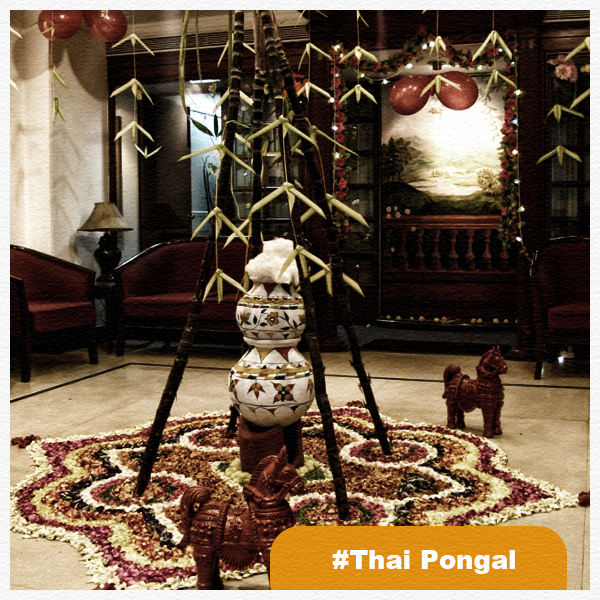
6. Thai Pongal (14th-17th January) – This continues for four days of the ‘Thai’ month and marks the harvest season for Tamil Nadu. Make sure to decorate your community areas with colourful rangolis made of flour and adorn every entrance with mango leaf festoons. Distribute the special sweet dish prepared on the occasion, also called ‘pongal’, among all your neighbours.

Thai-Pongal

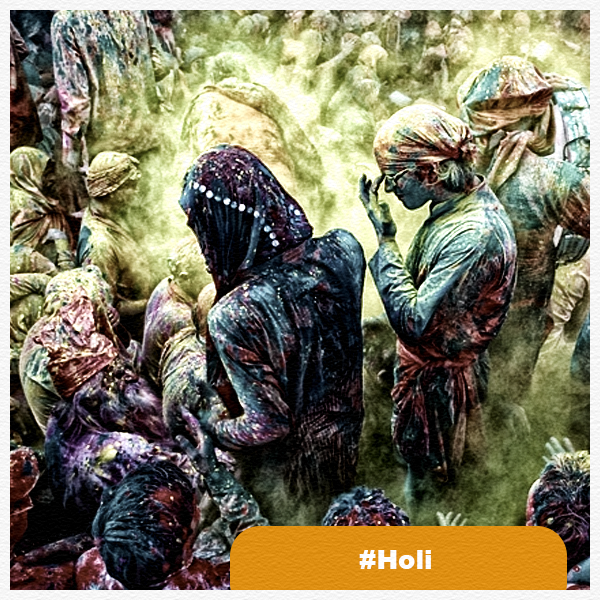
7. Holi (February-March) - This ‘festival of colours’ honours the survival of Bhakt Prahlad, and the burning of the demoness, Holika and is celebrated with colours, water and a variety of sweets. This spring festival is incomplete without the consumption of bhang (a beverage prepared from the leaves and flowers of the cannabis plant). Take this opportunity to splash coloured-water at your neighbours and share some joyous, colourful moments with them.

Holi

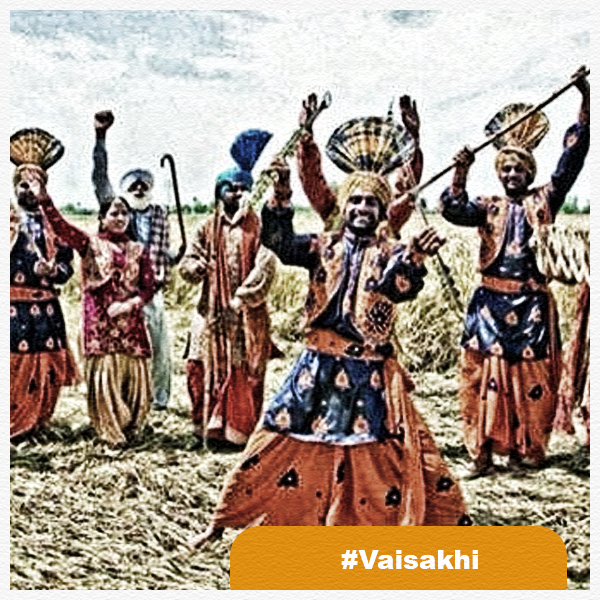
8. Baisakhi or Vaisakhi (14th or 15th April) – This is one big day for Sikhs across the country, with the same day marking three major occasions; the harvest festival, the Sikh New Year and the birth of Khalsa. Conduct a Baisakhi Fair in your community and organize a special bhangra or gidda performance to celebrate the festival.

Vaisakhi

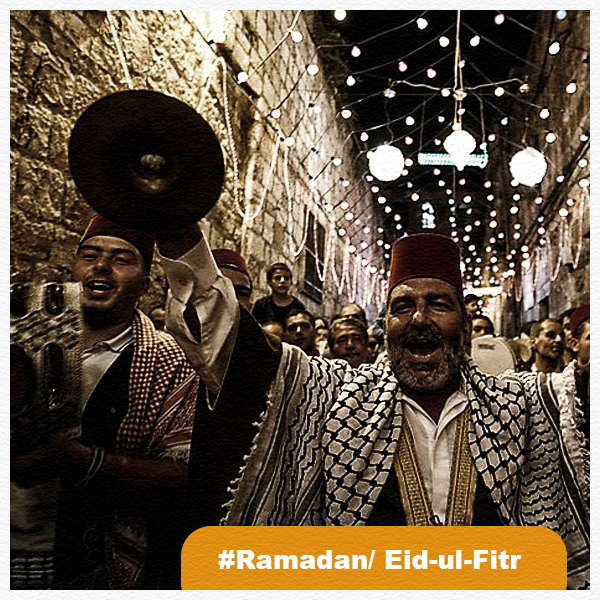
9. Ramadan/ Eid-ul-Fitr – The auspicious Islamic fasting month of Ramadan is the time of festivity for Indian Muslims. This is when Muslims are reminded of the importance of the virtues of patience, humility and empathy. Make Ramadan a community affair by arranging a sumptuous Iftar buffet feast with traditional Ramadan dishes such as Mezzeh and Ouzi on the menu.

 Ramadan-Eid-ul-Fitr

Tell us which Indian festival is your favourite and why in the comment box below.

Now no more would you need to think twice before celebrating an event inside your complex! We offer you the perfect help with How CommonFloor Groups Helps You Plan an Event’. Please send us your queries at support@commonfloor.com, should you have any.


Read More
Product Updates Smart Residential Living uncategorized

How CommonFloor Groups Helps You Plan an Event

Autumn is when we observe a series of most awaited celebrations starting with Navratri. For us, this stretch of a month is more than just a season of festivals; it is actually the ‘season of food, fervour and fun’. If you’ve already begun with the celebration planning bit (within your community) just like any true Indian, CommonFloor Groups lends you a helping hand with some of its features that is sure to ease the entire process for you. Do you wonder how?

Well, take a look for yourself:

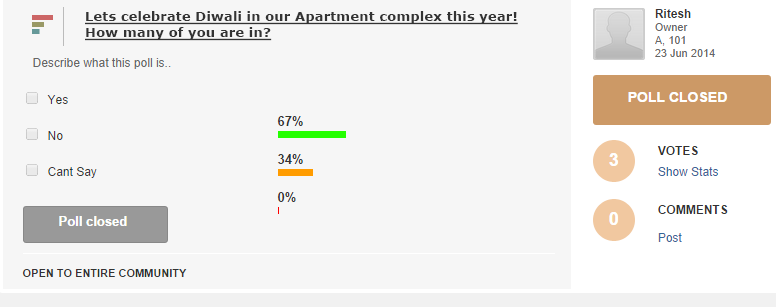
1) Create a Poll to know how many residents are interested: To begin with the planning, you first need to know if other residents are even willing to celebrate the occasion in the society. Simply start a poll where people can answer with a clear yes or no!
Poll scrensht (1)

(To know how to create a poll, click here)

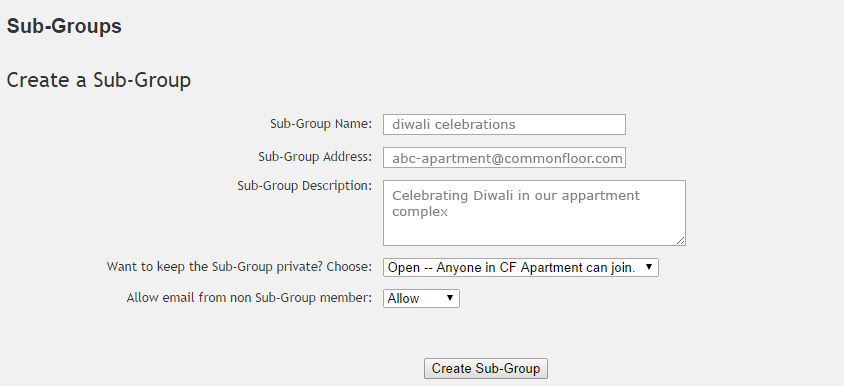
2) Form a Sub-Group of interested people: If enough people show interest in the idea, you can create a sub-group and add interested people. Let’s say you are performing a dance on this occasion, you can make a group of all performers and discuss about steps revised, costumes etc.
subgroups (1)

(Click here to find out how you can create a sub-group)
3) Keep residents informed with latest updates around event: Put up notices to inform residents about the celebration and occasional updates around it such as its finalized date/s and schedule. If you’re more of a mobile person, try creating a notice using our cool new app!

Notice (1)

(For steps to create a notice, read here)
4) Decide on dates and mark them on a Calendar: Create an Event and mark the finally decided dates on a calendar. This will also make it easy for viewers to keep track.

Event (2)

(To know how to create an event, click here!)
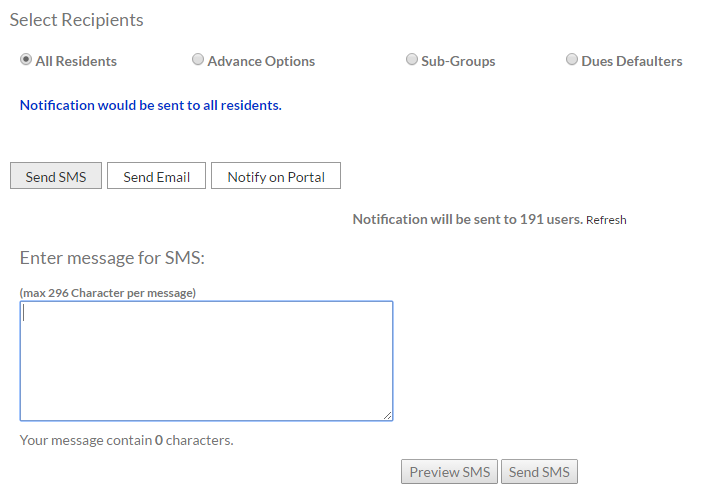
5) Send free SMSes and E-Mails to make announcements/send reminders: Admins have the option of sending quick and free SMSes or E-mails to fellow residents to make an announcement about the event or remind them of their pending event contribution.
SMS


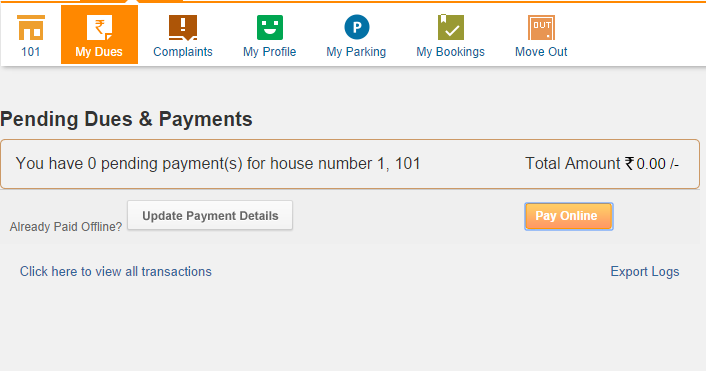
6) Collecting funds through Payment Gateway and maintaining an account of it (Tracking Payment): By collecting money via our Payment Gateway, admins can avoid the hassle of going door-to-door for funds and keeping a track of received amount manually. This mode of payment is also more convenient for residents.
Online payment (1)

(For steps to create an invoice or make/update a payment, click here)


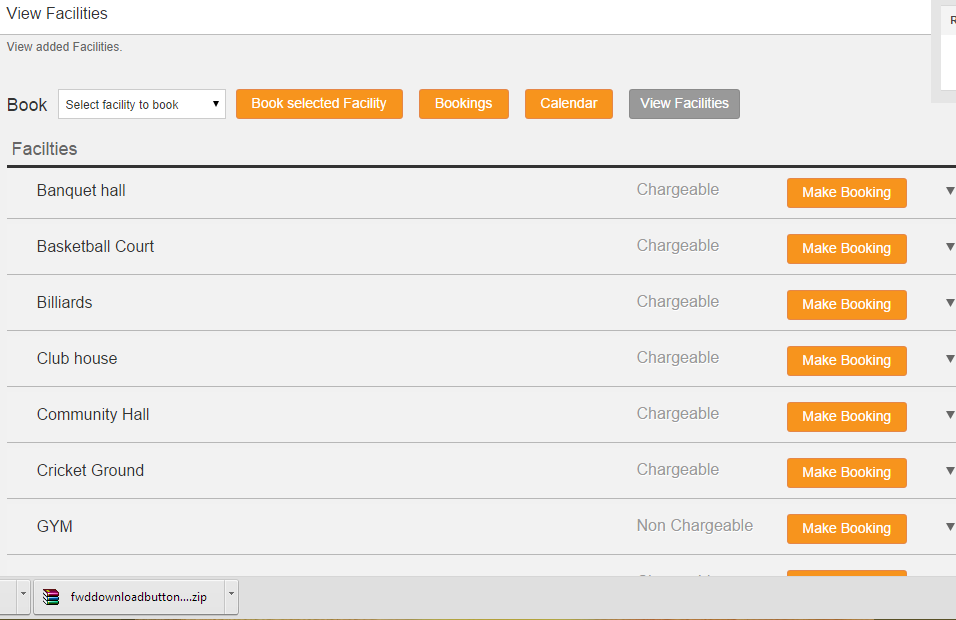
7) Book the community club house for the given day/s: Making a club house booking is a piece of cake with our Booking Facility feature. Once the dates are fixed, make sure to block the community club house for those dates on the facility calendar.
Facility booking (1)

(To know how to book a facility, read here


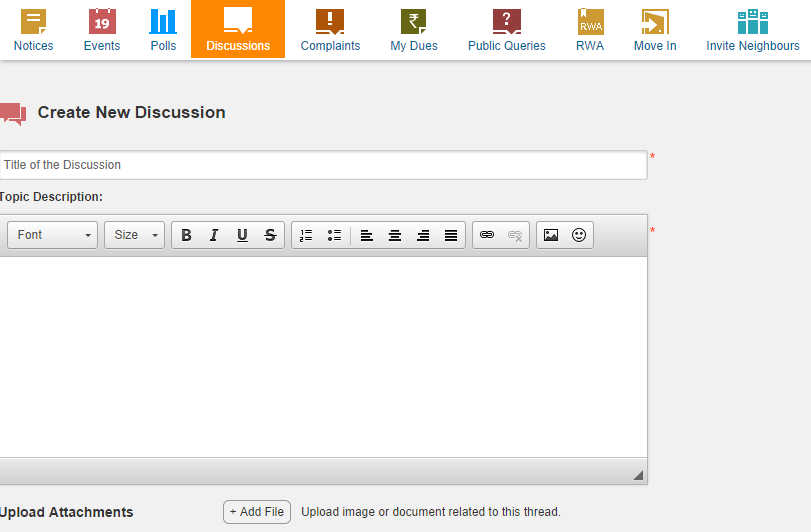
8) Discuss different aspects of the event with other residents: To involve other residents, you can start a discussion on the itinerary of the event or the division of responsibilities.
Discussion (1)

(To read steps to start a discussion, click here).


9) Find a good event planner to help you with the planning: Refer to our Contact Handbook to find a good event planner and if you like their service, mark them as a favourite.

Contact Handbook (1)
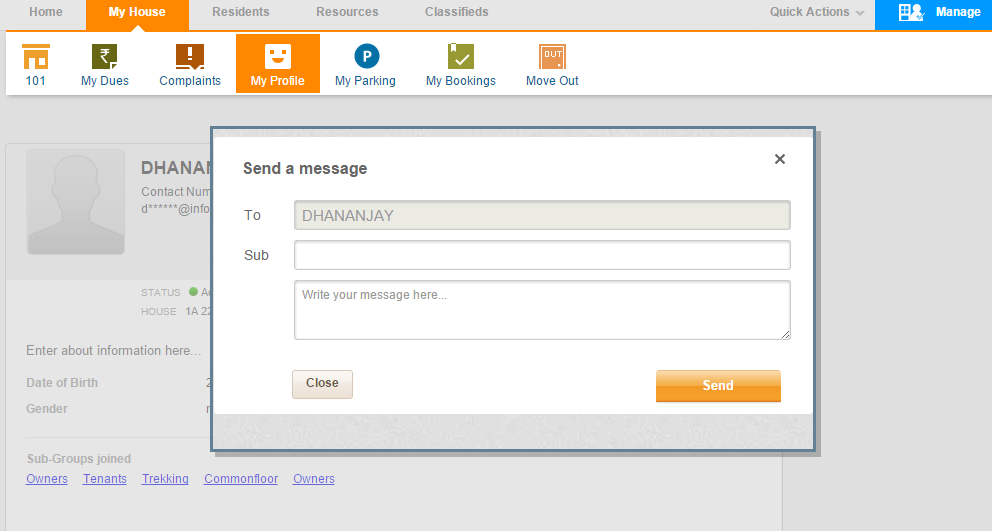
10) Send Personal Messages to individual resident/s: To interact with a particular resident, let’s say about a shared responsibility, you can opt to send personal messages to him/her. (Use our mobile app to send an instant personal message)
Personal message


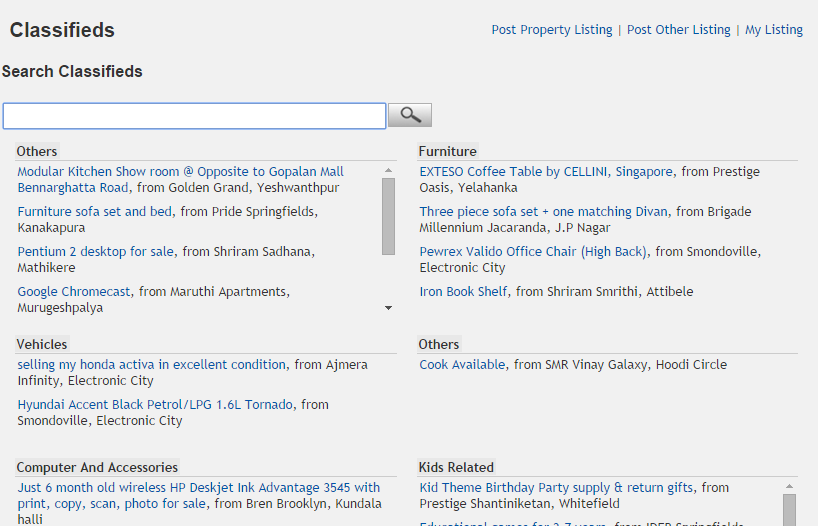
11) Find something you need on the Classifieds section: Let’s say you need a green dupatta for your cultural event performance. All you need to do is- get on the Classifieds section, see a bunch of garments on it, find a green dupatta and buy it!
Classified (1)

(To learn how to post/view an ad, read here)


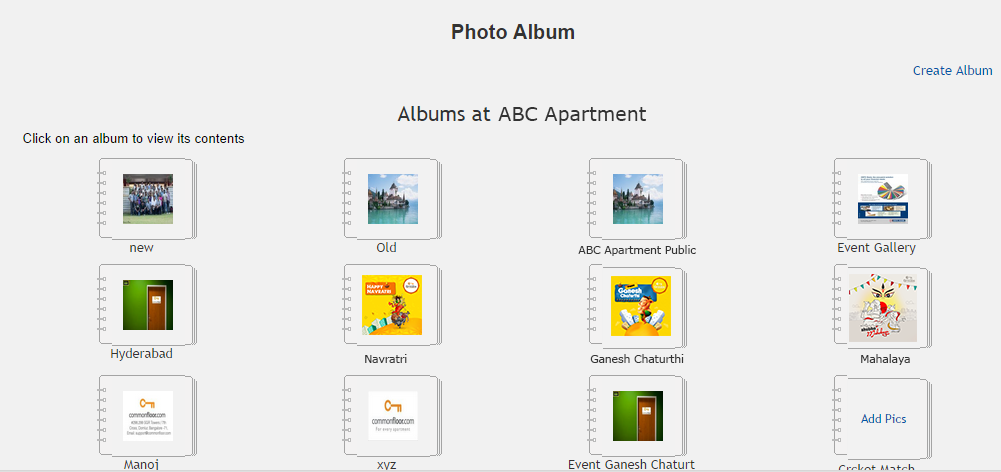
12) Upload event pictures on the Photo Gallery: To share event photos with all residents, create an album and put pictures in the Photo Gallery.
Photoalbum (1)

(To know how to create an album, read here)

Is there some aspect of planning an event in your community that you find difficult or time-consuming? Write to us about it @support@commonfloor.com and we’ll try our best to find a solution for you!
Read More
Fun Posts uncategorized

Fascinating Legends Behind the Celebration of Navratri

Navratri’s Fascinating History: Stories You Must Know

‘Tis that time of year when people leave behind their worries and woes and gear up to celebrate the nine powerful avatars of Goddess Durga with fervour. During the nine days of Navratri, each day devotees invoke a different form of the Goddess.

Navratri

As Indians, we come across numerous Bollywood movie plots that were originally inspired by the drama, appeal and mystic charm of our legends and myths. Just like any other Hindu festival, Navratri too has a few fascinating legends associated with its origin. Each part of India speaks of a unique and interesting history:

Legend of the Mighty Mahishasura (North):

Durga and Mahisasur

The demon Mahishasura was an ardent devotee of Shiva. As soon as he attained eternity, he went on to slaughtering innocent people with the aim of conquering all three lokas. To save the world from the atrocities of this demon, The Trinity of Shiva, Brahma and Vishnu created a divine warrior, Goddess Durga. Mahishasura, enchanted by her beauty, asked her to marry him. Durga, at this point, struck a deal with the devil; she would marry him only if he could defeat her in battle. Mahishasura accepted the challenge and after a battle spanning 9 days, Goddess Durga decapitated him on the ninth night. These nine days came to be known as Navratri, and the tenth day that brought the triumph of good over evil was called Vijayadashmi.

The Legend of Daksha (East):

Uma - sati

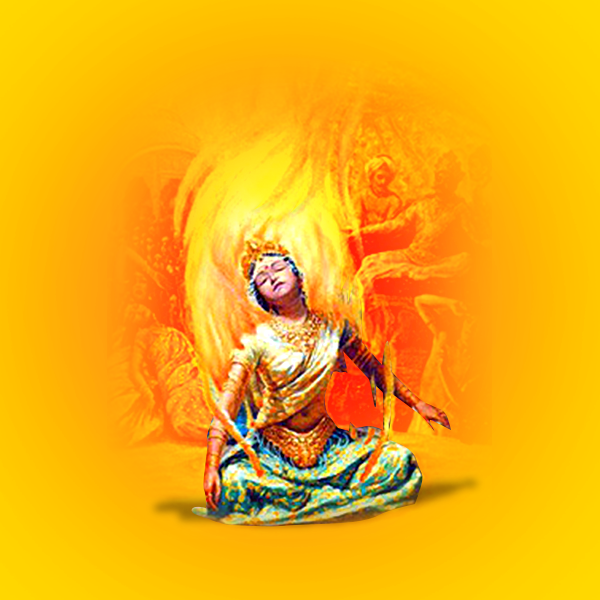
The king of the Himalayas, Daksha’s beautiful and virtuous daughter, Uma, was an admirer and worshipper of Shiva. Pleased with her devotion, Shiva finally descends down from the heavens to marry her. Daksha’s disrespect towards Shiva and displeasure with the marriage leads him to break all ties with his daughter. When Uma learnt that her father hadn’t invited Shiva to a yagna he was organizing, she jumped into the yagna’s agnikund, upon which she came to be known as Sati. It is believed that every year from that time, Uma visits her parents’ home during Navratri along with her children, Ganesh, Kartik, Saraswati and Laxmi, and her two friends, Jaya and Bijaya.

The Legend of Rama and Ravana:

Ram and Ravana

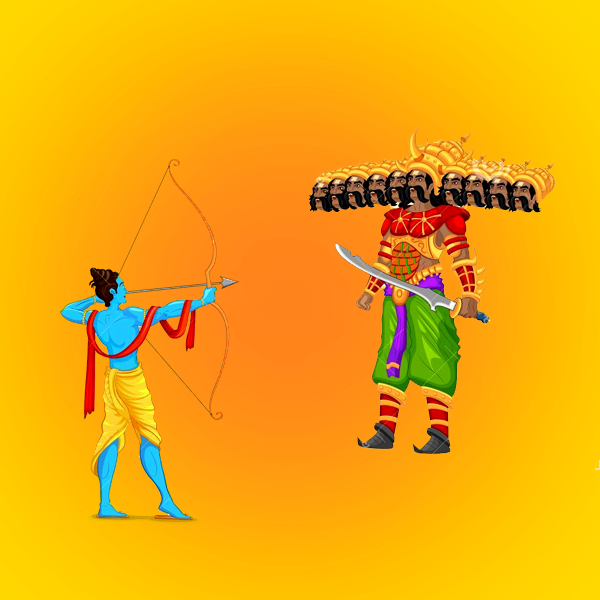
In the Hindu epic, Ramayana, Rama invoked the blessings of Goddess Durga to gather the strength to kill Ravana, the demon who had abducted his wife, Sita. The nine nights he spent worshipping Goddess Durga came to be known as Navaratri. On the tenth day, also known as Vijayadashami, good triumphs over evil when Rama finally slays Ravana.

Did you learn some interesting facts about Navratri in this article? If you know of more legends behind the origin of this Hindu festival, please share them with us in the comment section below.

Here’s praying this Navrati brings you happiness, health and good fortune!

Read More
1 63 64 65 66 67 73